Maximizing Bookings: Your Comprehensive Short-Term Rental Pet Policy Guide
Deciding to allow pets in your short-term rental can significantly impact bookings and revenue. This guide helps small hosts understand the pros and cons, craft a clear pet policy, and maximize their calendar while managing property control.
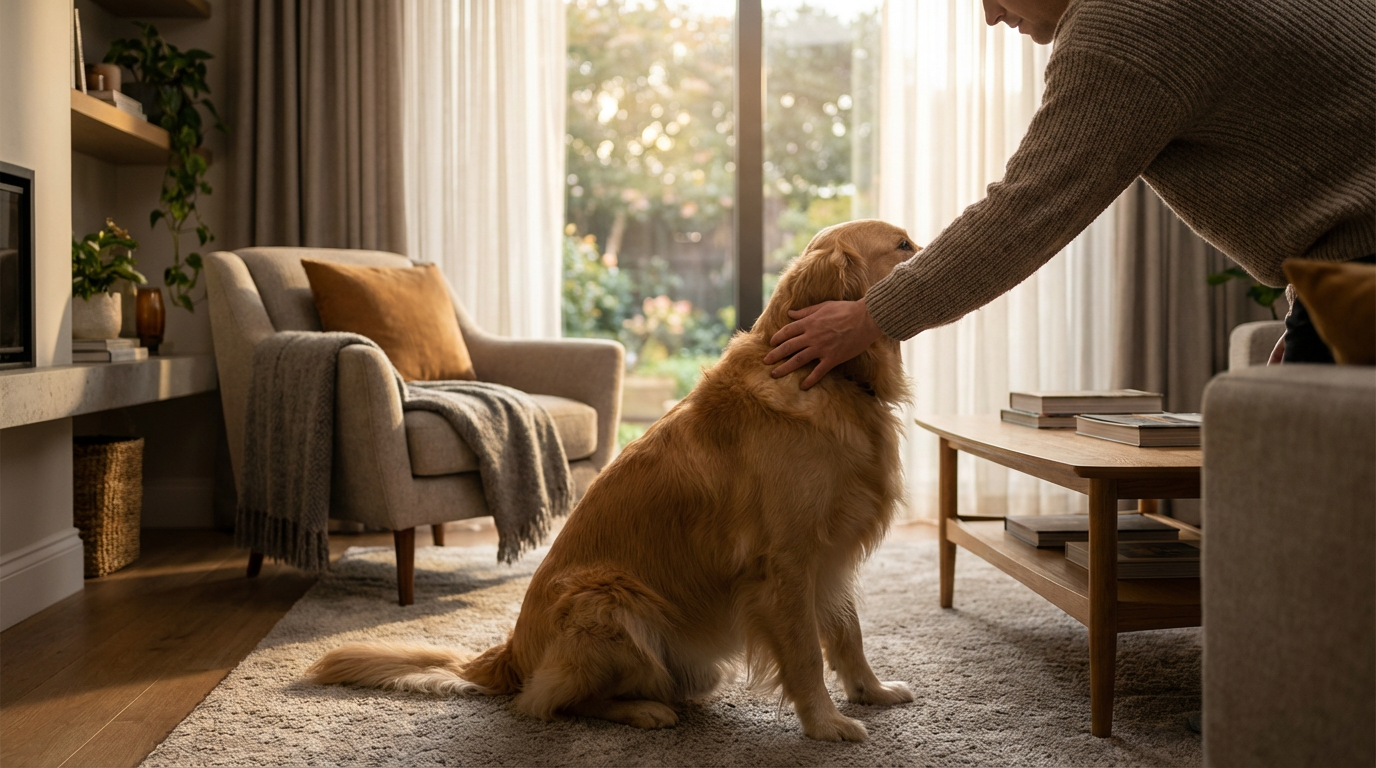
Deciding whether to allow pets in your short-term rental is more than just a matter of personal preference; it's a strategic business decision that can significantly impact your bookings and revenue. For small hosts like you, operating apartments, cabins, or rooms, every booking counts. Understanding the pros and cons, and how to implement a clear pet policy, is crucial for maximizing your calendar and maintaining control over your property.
The Growing Trend of Pet-Friendly Travel
The pet industry is booming, and a significant portion of pet owners consider their furry friends part of the family. This means travel isn't complete without them. According to various travel surveys, a substantial percentage of travelers actively seek out pet-friendly accommodations. By closing your doors to pets, you're potentially excluding a large and growing segment of the market. This isn't just about missing out on a few bookings; it's about overlooking a customer base that often travels off-peak, stays longer, and is willing to pay a premium for the convenience of bringing their companions.
Advantages of Being Pet-Friendly
Opening your short-term rental to pets comes with several compelling benefits, especially for hosts looking to increase bookings and reduce calendar gaps.
Increased Booking Opportunities
This is the most obvious advantage. By welcoming pets, you instantly expand your potential guest pool. Many travelers filter their searches explicitly for pet-friendly properties, so you'll appear in more search results on platforms like Airbnb and Booking.com, and also be more visible to guests seeking direct bookings. This can be particularly beneficial for filling those shoulder season dates or mid-week calendar gaps.
Higher Revenue Potential
Pet owners are often willing to pay more for suitable accommodation. You can implement a pet fee – either a flat fee per stay, a nightly charge, or a refundable deposit – to cover potential additional cleaning or wear and tear. This additional revenue stream can significantly boost your overall earnings. Many guests view this fee as a reasonable cost for the convenience and peace of mind.
Enhanced Guest Loyalty and Positive Reviews
When guests find a genuinely pet-friendly place that meets their needs, they are more likely to return. They also tend to leave glowing reviews, mentioning how accommodating you were to their beloved pets. Positive reviews that highlight your pet-friendly aspect can attract even more pet-owning guests. Word-of-mouth and social media sharing among pet owner communities can also be powerful marketing tools.
Stand Out from the Competition
Depending on your location, pet-friendly accommodations might still be a niche market. By offering this, you can differentiate your property from competitors who maintain a strict "no pets" policy, giving you a competitive edge. This is especially true for unique properties like cabins or those with outdoor space.
Disadvantages and Potential Challenges
While the benefits are attractive, it's important to be realistic about the potential downsides and how to mitigate them.
Increased Wear and Tear
Pets can sometimes cause more wear and tear than human guests. Scratches on floors, furniture, or doors, and accidents like urination in the property are possibilities. This can lead to increased maintenance costs or a shorter lifespan for certain items.
Allergy Concerns
Some future guests might have severe pet allergies. Even with thorough cleaning, pet dander can linger, potentially causing discomfort for subsequent visitors. This is a legitimate concern you need to address in your cleaning protocols.
Noise Complaints
Barking dogs can disrupt neighbors or other guests if you have multiple units. This is a particular concern in apartments or properties with close proximity to others.
Higher Cleaning Costs
While you can charge a pet fee, the reality is that cleaning after pets often requires more time and specialized tools (e.g., for vacuuming pet hair, deodorizing). You need to ensure your fees adequately cover these extra costs.
Insurance Implications
It's essential to check with your insurance provider to understand if pet-related damages are covered under your current policy and if allowing pets impacts your premiums or liability.
Crafting a Clear and Comprehensive Pet Policy
If you decide to embrace pet guests, a well-defined and clearly communicated pet policy is your best defense against potential issues. This policy should be prominently displayed on your listings, website for direct bookings, and in your guest information.
1. Define "Pet-Friendly" Specifically
Don't just say "pets welcome." Be specific:
- What types of pets are allowed? (e.g., dogs only, cats, small animals).
- Size/Weight limits? (e.g., "Dogs up to 50 lbs"). This can help manage potential damage or noise from larger animals.
- Number of pets? (e.g., "Maximum 2 pets per stay").
2. Implement a Pet Fee or Deposit
This is crucial for covering your costs and creating a sense of responsibility for the pet owner.
- Flat Pet Fee: A one-time charge per stay, regardless of length.
- Nightly Pet Fee: A charge per night, often capped at a certain amount for longer stays.
- Refundable Pet Deposit: Similar to a security deposit, refunded after inspection if no damage occurs. Ensure your booking system can handle this.
Pro Tip: Be transparent about what the fee covers (e.g., "covers additional cleaning and wear") so guests understand.
3. Outline Rules of Conduct for Pets and Owners
This is where you set expectations and mitigate risks.
- Leash Policy: Pets must be leashed when outside the property.
- Waste Disposal: Owners are responsible for immediate and proper disposal of pet waste. Provide waste bags or indicate where they can be found.
- Furniture Usage: Specify if pets are allowed on furniture (with covers provided) or not at all. "Pets are not allowed on beds or furniture unless a dedicated pet cover is used."
- Cratering Requirement: For apartments or during guest absences, request that pets be crated to prevent damage or anxiety-fueled behaviors.
- Noise Control: Remind guests to keep pet noise to a minimum, especially in shared spaces or quiet hours.
- Veterinary Records: While not always practical for short stays, for longer bookings, you might request proof of vaccinations or flea/tick treatment.
- Restricted Areas: Are there any areas pets are absolutely not allowed (e.g., certain rooms, neighbor's yards)?
4. Special Cleaning Procedures
If you allow pets, your cleaning protocol needs to be robust.
- Deep Cleaning: Schedule regular deep cleans that specifically target pet hair and dander.
- Allergy-Friendly Cleaning: Use hypoallergenic cleaning products.
- Air Purifiers: Consider having an air purifier available.
- Dedicated Pet Cleaning Supplies: Keep a separate set of cleaning tools for pet-friendly cleans to avoid cross-contamination for allergy sufferers.
5. Communication is Key
- Before Booking: Ensure your pet policy is easily accessible on your listing and direct booking site.
- Pre-Arrival: Send a reminder of your pet policy, perhaps with a friendly welcome message for their furry friend.
- On Arrival: Have a printed copy of the policy readily available in a welcome binder.
Pet-Friendly Amenities to Enhance the Guest Experience
Going the extra mile can differentiate your listing and justify your pet fee. These thoughtful touches can lead to five-star reviews and repeat bookings.
- Welcome Treat: A small bag of pet treats upon arrival.
- Food and Water Bowls: Saves guests from packing their own.
- Pet Bed/Blanket: A dedicated spot for the pet to sleep, which also protects your furniture.
- Waste Bags: Convenient and encourages responsible disposal.
- Designated Pet Towel: Useful for muddy paws after outdoor adventures.
- Local Pet-Friendly Information: A small guide to nearby dog parks, pet-friendly restaurants, veterinarians, or walking trails.
- Crate: Offer a spare crate for guests who might not bring their own or if you require crating.
Addressing Allergy Concerns for All Guests
This is a critical consideration. If you decide to go pet-friendly, you need a strategy for guests with allergies.
- Thorough Cleaning: As mentioned, meticulous cleaning after every pet stay is non-negotiable. Invest in high-quality vacuums with HEPA filters.
- Air Filtration: Consider a whole-house air filtration system or portable air purifiers.
- Specific Pet-Free Unit (if applicable): If you manage multiple units, you might designate one or more as strictly no-pets, allowing you to cater to both markets. If you only have one property, this isn't an option, emphasizing the need for rigorous cleaning.
- Disclosure: While not legally required everywhere, some hosts choose to disclose in their listing that pets are allowed, even if cleaning is thorough, just in case of severe allergies. This is a personal decision and should be weighed against potential booking impact.
Final Considerations
Before making your decision, really think about your property and your target audience.
- Property Suitability: Does your apartment, cabin, or room have enough space for a pet? Is there any outdoor access, or are there nearby parks? Properties with hard flooring are generally easier to clean than those with extensive carpeting.
- Personal Preferences: Are you generally comfortable with animals? While you won't be interacting with the pets directly, the idea of them in your property should not cause undue stress.
- Risk Tolerance: Are you prepared for the occasional incident, despite your best efforts with a solid policy?
Ultimately, becoming pet-friendly can be a powerful strategy to boost your short-term rental business, allowing you to tap into a lucrative market segment and increase your direct bookings. By thoughtfully crafting and implementing a comprehensive pet policy, and being prepared for the practicalities, you can reap the rewards while effectively managing potential risks. It's about finding that sweet spot where welcoming furry friends genuinely enhances your business and improves your guests' experience, leading to a fuller calendar and stronger bottom line.