Can a Sauna and Hot Tub Boost Shoulder Season Bookings?
The shoulder season presents unique challenges and opportunities for short-term rental hosts. This article explores whether investing in amenities like saunas and hot tubs can genuinely elevate shoulder season bookings, providing a comprehensive guide for hosts considering such an upgrade.
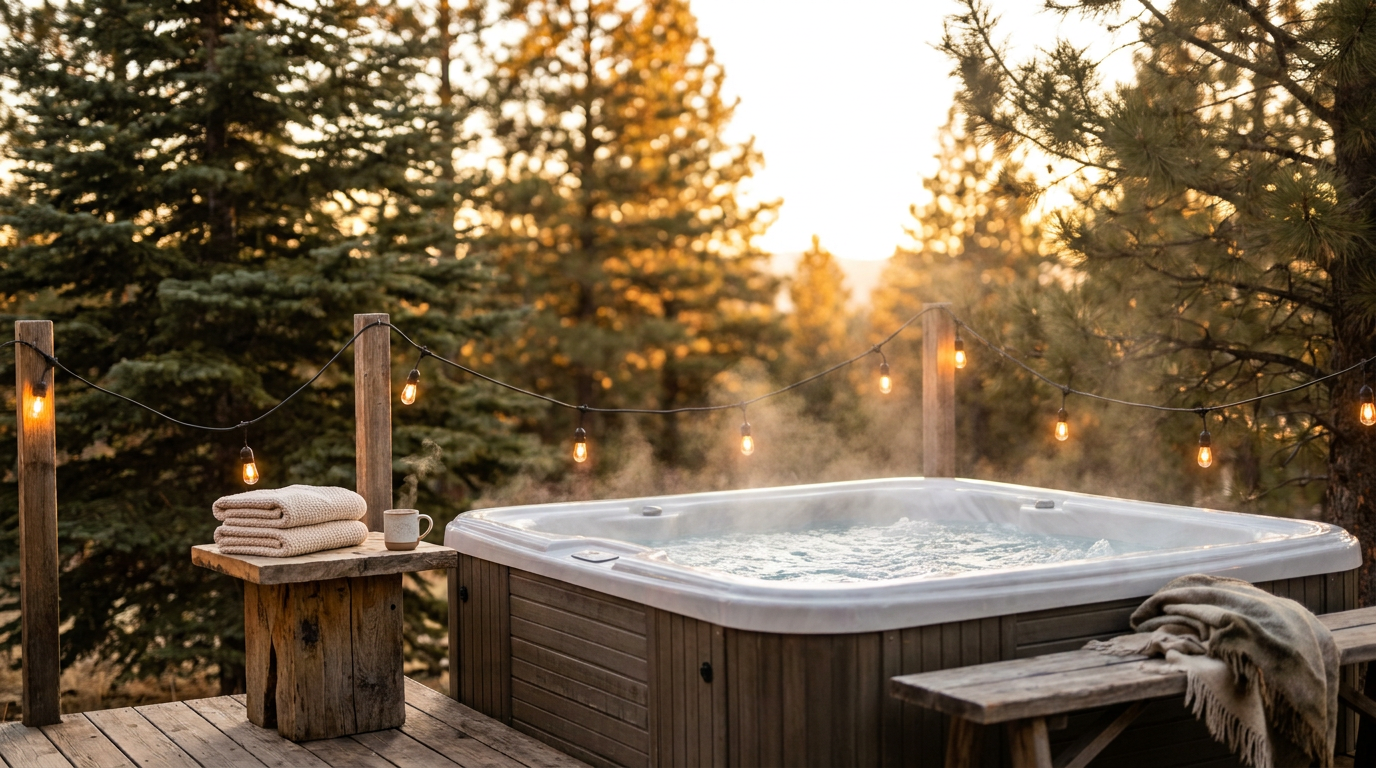
Can a Sauna and Hot Tub Boost Shoulder Season Bookings?
Yes, investing in a sauna and hot tub can significantly boost shoulder season bookings for short-term rentals by attracting guests seeking unique wellness experiences and allowing for higher nightly rates. The shoulder season, the transitional period between peak and off-peak times, often presents lower occupancy rates and increased pricing pressure for hosts. However, by offering desirable amenities like saunas and hot tubs, property owners can differentiate their listings, capture a discerning clientele, and improve profitability during these traditionally slower periods.
What is the Shoulder Season and Why Does It Matter?
The shoulder season is the period immediately before and after a destination's peak tourist season. This time matters because it offers unique challenges and opportunities for short-term rental hosts.
- Definition: The shoulder season refers to the transitional months when tourist activity is lower than peak season but higher than off-peak.
- For a summer beach destination, late spring and early autumn are typical shoulder seasons.
- For a ski resort, early winter and late spring might be these periods.
- Challenges for Hosts:
- Decreased Demand: Fewer tourists mean lower occupancy rates.
- Price Pressure: Hosts often must lower nightly rates to attract bookings, impacting profit margins.
- Inconsistent Income: Fluctuating demand leads to unpredictable revenue streams.
- Opportunities for Hosts:
- Strategic Differentiation: Properties offering unique amenities, like those found on platforms such as Cabinly, can stand out in a less saturated market.
- Attracting Discerning Guests: This period is ideal for appealing to travelers seeking specific experiences rather than just rock-bottom prices.
- Canvas for Innovation: Hosts can provide value-added experiences to attract guests who are willing to pay a premium for a superior stay.
How Do Saunas and Hot Tubs Attract Guests?
Saunas and hot tubs attract guests by offering a luxurious and relaxing spa-like experience that appeals to fundamental human desires for rejuvenation and comfort.
- Appeal of Relaxation and Luxury: Guests increasingly prioritize comfort and unique experiences, turning properties with these amenities into destinations.
- Spa-like Experience: Saunas and hot tubs elevate a rental from basic lodging to a high-value retreat.
- Therapeutic Benefits: A hot soak or cleansing sauna session enhances the vacation experience, promoting relaxation and well-being.
- Unique Selling Proposition (USP): These features differentiate a property from competitors, making it more attractive.
- Target Guest Demographics:
- Couples: Seek romantic getaways with intimate, relaxing moments.
- Luxury Travelers: Expect high-end amenities as a standard, making properties with saunas/hot tubs more appealing.
- Wellness Tourists: Actively seek experiences that promote health and well-being, aligning perfectly with these amenities.
- These demographics are often less sensitive to seasonal fluctuations and willing to pay more for exceptional experiences available on platforms like Cabinly.
What is the Potential ROI for Sauna and Hot Tub Installation?
The potential return on investment (ROI) for installing a sauna or hot tub can be significant, driven by increased nightly rates and improved occupancy, provided all associated costs are carefully considered.
- Increased Nightly Rates: Properties with these desirable amenities can command higher prices.
- Competitive Edge: Justifies a premium price point compared to rentals without these features.
- Estimate: Often 15-30% higher nightly rates during the shoulder season.
- Boosted Occupancy Rates: Unique appeal encourages bookings that might not otherwise occur during slower periods.
- Reduced Vacancy: Attracts guests looking for specific amenities, smoothing out income fluctuations.
- Consistent Revenue: Contributes to a more stable income stream throughout the year.
- Associated Costs:
- Installation:
- Hot Tub: $5,000 to $20,000+
- Sauna: $3,000 (prefabricated indoor) to $30,000+ (custom outdoor)
- Ongoing Maintenance:
- Hot Tubs: Chemicals, filters, water testing, routine servicing, draining/refilling.
- Saunas: Cleaning, wood treatment, heater checks.
- Utility Expenses: Significant electricity costs for heating water and air.
- Installation:
- Payback Period Estimate: A conservative estimate suggests a payback period of 18-36 months, assuming consistent bookings and premium pricing during target seasons. The higher profit per booking during the shoulder season often outweighs slightly lower demand.
What Are the Practical Considerations Before Investing?
Before investing in a sauna or hot tub, it's crucial to evaluate several practical considerations to ensure feasibility, compliance, and successful operation.
- Space Requirements and Property Suitability:
- Hot Tub: Requires a level, reinforced surface (e.g., concrete pad) of at least 7x7 feet, plus clearance.
- Sauna: Varies in size; outdoor units need a private location.
- Electrical Supply: Hot tubs often need dedicated 240V circuits; most saunas do as well.
- Ventilation: Critical for saunas to prevent moisture buildup.
- Aesthetic Integration: Ensure amenities blend seamlessly with the property's design.
- Permits, Regulations, and Insurance:
- Building Permits: Often required for installations, especially outdoor structures or electrical work.
- Zoning Laws: May dictate placement relative to property lines.
- Health and Safety: Specific regulations (e.g., fencing for hot tubs to prevent child access).
- Insurance: Existing short-term rental policies may need updates to cover new liability risks.
- Consultation: Essential to check with local authorities and insurance providers.
- Maintenance, Cleaning, and Safety Protocols:
- Hot Tubs: Daily chemical balancing, regular filter cleaning, periodic draining/refilling (1-3 months).
- Saunas: Regular cleaning, occasional wood treatment.
- Safety Guidelines: Clearly communicate rules about alcohol, soak times, and child supervision to guests.
- Instructions: Provide clear guidelines for correct and safe use to prevent accidents.
- Effective Marketing Strategies:
- Professional Photography/Videography: Showcase amenities in the best light.
- Listing Descriptions: Update across all platforms, using evocative language to highlight relaxation and luxury.
- Prominent Placement: Feature amenities in the first few lines of descriptions.
- Marketing Channels: Utilize social media, email newsletters, and other platforms to emphasize the unique experience.
How Can Hosts Maximize Their Investment in Wellness Amenities?
To maximize the investment in wellness amenities, hosts should focus on creating a comprehensive, curated experience that enhances guest satisfaction and drives sustained bookings.
- Bundling Experiences and Wellness Packages: Elevate the offering beyond just having the amenity.
- Examples: "Relaxation Retreat Package" including bath bombs, robes, essential oils, or local sparkling wine.
- Local Partnerships: Collaborate with local businesses for in-house massages or healthy meal delivery.
- Benefits: Justifies higher pricing and creates a more memorable, attractive offering.
- Optimizing Listing Descriptions and Photos: Ensure amenities are showcased professionally and enticingly.
- High-Quality Visuals: Use professional photos showing inviting, clean, luxurious spaces (e.g., steam from hot tub, soft glow in sauna).
- Keywords: Incorporate search terms like "private spa," "rejuvenating retreat," "unwind and relax."
- Focus on Benefits: Emphasize emotions and experiences over technical specifications.
- Actively Gathering Guest Feedback and Reviews: Leverage social proof to attract future guests.
- Encourage Reviews: Ask guests to mention their experience with the amenities.
- Positive Social Proof: Good reviews reassure potential guests about quality.
- Continuous Improvement: Use constructive feedback to address issues like cleanliness or ease of use.
- Complementary Amenities: Enhance the overall wellness and relaxation theme.
- Examples: Outdoor shower, fire pit, comfortable loungers, board games, books.
- Thoughtful Touches: High-quality towels, robes, fresh drinking water.
- Value Proposition: Reinforces the property as a dedicated space for rejuvenation, making it a stronger draw during the shoulder season and beyond.
Frequently Asked Questions (FAQ)
What is the "shoulder season" in short-term rentals?
The shoulder season refers to the periods immediately preceding and following a destination's peak tourist season. During these times, demand is typically lower than peak, but higher than the off-peak, offering both challenges and opportunities for rental hosts.
How much can a hot tub or sauna increase my nightly rates?
While varying by market, properties with a hot tub and/or sauna can often command a 15-30% higher nightly rate during the shoulder season compared to similar properties without these amenities. This premium helps offset initial investment costs.
What are the main costs associated with installing wellness amenities?
The main costs include initial installation (hot tubs $5,000-$20,000+; saunas $3,000-$30,000+), ongoing maintenance (chemicals, filters, wood treatment), and significant utility expenses, primarily electricity for heating.
Do I need special permits or insurance for a hot tub or sauna?
Yes, most municipalities require building permits for installations, especially for outdoor structures or significant electrical work. It is also crucial to update your short-term rental insurance policy to cover new liability risks associated with these amenities.
How can I effectively market my property's new sauna or hot tub?
Effective marketing involves using high-quality professional photography, updating listing descriptions across platforms with evocative language focusing on relaxation and luxury, utilizing relevant keywords, and promoting the amenities prominently on all marketing channels.
What are some ways to maximize the ROI beyond just installing the amenities?
To maximize ROI, consider bundling experiences (e.g., "Relaxation Retreat Package"), partnering with local businesses, actively seeking positive guest reviews specifically mentioning the amenities, and adding complementary touches like outdoor showers or high-quality robes.
How long does it typically take to see a return on investment for these features?
A conservative estimate for the payback period on a hot tub or sauna investment is typically 18-36 months. This timeline assumes consistent booking rates and the ability to charge premium pricing during the target seasons, particularly the shoulder season.