How to Improve Guest Safety at Your Rental?
This comprehensive guide walks hosts through essential steps to elevate guest safety at short-term rentals, from understanding its critical importance to implementing advanced technological and physical security measures. Learn about assessing current security, technological solutions like smart locks and security cameras, and physical security measures.
How to Improve Guest Safety at Your Rental?
Ensuring guest safety is paramount for any short-term rental (STR) host. A robust safety strategy not only distinguishes responsible hosts but also builds invaluable trust, contributing significantly to guest satisfaction and the long-term success of your business. This guide provides essential steps to enhance guest safety, from understanding its importance to implementing advanced security measures.
Understanding the Importance of Guest Safety
Guest safety is crucial for safeguarding lives, protecting your business, and fostering guest satisfaction.
For STR hosts, guest safety extends beyond preventing negative reviews; it's about creating a secure environment where guests can relax without concern for their well-being or belongings. This peace of mind is a key driver for positive experiences and repeat bookings.
- Legal Consequences: Inadequate security can lead to lawsuits for negligence if a guest is harmed.
- Reputational Damage: Security breaches can quickly damage your brand through online reviews and social media, deterring future bookings.
- Financial Impact: Costs can include legal fees, compensation, property damage, and significant loss of income.
Conversely, prioritizing guest safety builds trust. Secure guests are more likely to have positive experiences, leave glowing reviews, and recommend your property, contributing to your STR's sustained success. Platforms like Cabinly emphasize trust and safety as core components of a successful rental operation.
Assessing Your Current Rental Security
Before implementing new security measures, it is vital to understand your existing security posture through a comprehensive audit.
Start by conducting a comprehensive security audit of your property.
Walk through your rental from an intruder's perspective to identify weak points:
- Entry Points: Doors, windows, basement windows, poorly secured back gates.
- Secluded Areas: Around the property that could offer concealment.
Research local crime statistics and neighborhood-specific risks. Websites from local police departments or community forums can provide insights into frequent break-ins or petty theft in your area. Understanding these vulnerabilities helps prioritize and tailor security enhancements effectively.
Technological Solutions for Enhanced Security
Technology offers powerful tools for both deterrence and surveillance, significantly enhancing guest safety.
Smart Locks and Keyless Entry Systems
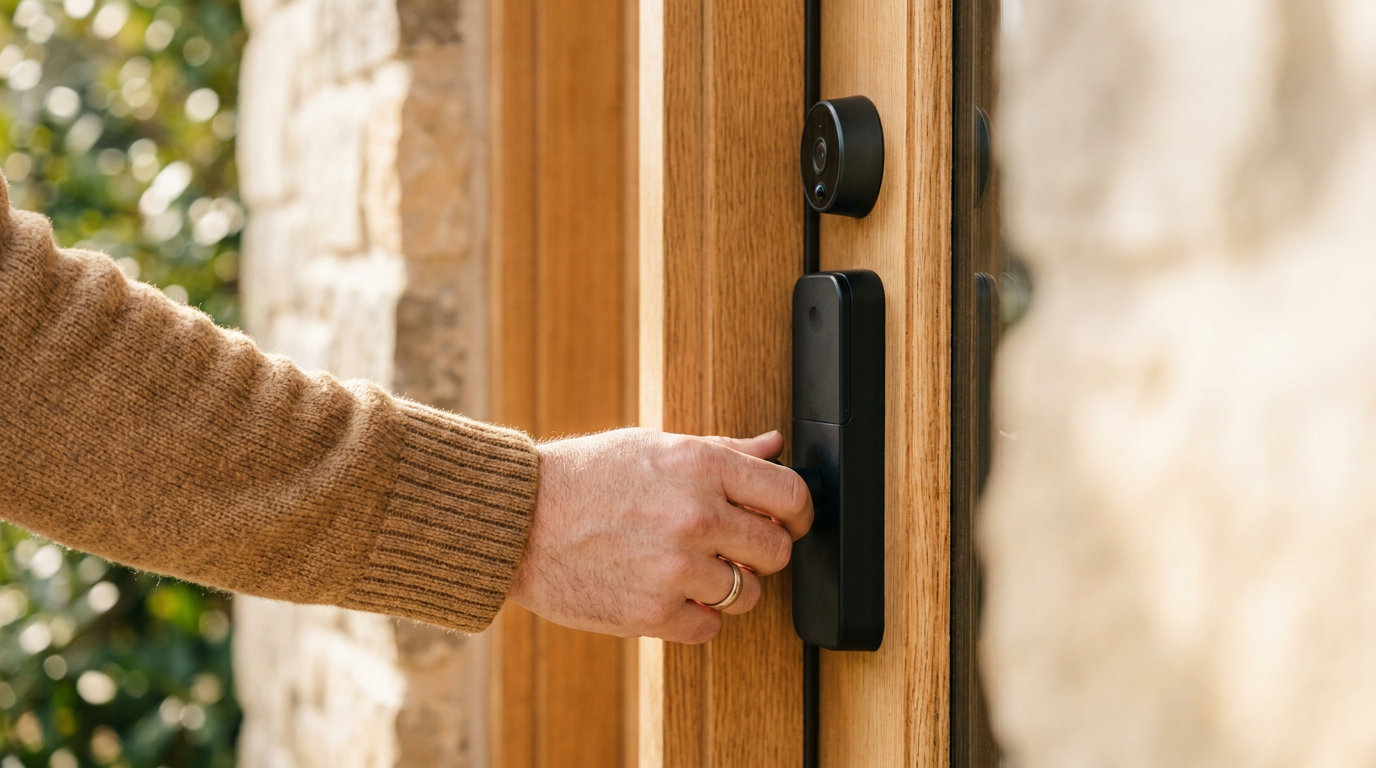
Smart locks and keyless entry systems are crucial for modern STR security. They eliminate physical keys and provide unique access codes for each guest, automatically expiring upon checkout.
- Keyless Convenience: No physical keys to lose or copy.
- Remote Management: Manage access codes remotely.
- Audit Trail: Detailed entry logs provide accountability.
When implementing, choose reliable brands and ensure guests receive clear operating instructions.
Security Cameras
Security cameras deter criminals and provide crucial evidence if an incident occurs.
- Exterior Placement Only: Cameras must be placed only on the exterior of the property (entrances, driveways, common outdoor areas).
- Privacy: Never place cameras inside the rental, as this is illegal in many jurisdictions and a breach of trust.
- Transparency: Always disclose the presence and location of exterior cameras clearly in your listing and house rules.
Alarm Systems and Motion Detectors
Alarm systems and motion detectors provide an additional layer of security by notifying you of unauthorized entry.
- Alarm Systems: Notify monitoring services or the host directly upon unauthorized entry.
- Motion Detectors: Especially those with floodlights, can startle intruders and alert guests and neighbors to unusual activity, particularly in poorly lit areas.
Noise Monitoring Devices
Noise monitoring devices help maintain peace and prevent disturbances. They monitor decibel levels inside the property without recording conversations.
- Party Prevention: Alert hosts to excessively loud parties, which can disturb neighbors and pose safety risks.
- Community Relations: Help maintain positive relationships with the community.
- Transparency: Essential to disclose the use of these devices to guests. Solutions like Cabinly can often integrate with such devices for streamlined management.
Physical Security Measures to Implement
Robust physical security remains the foundation of property protection, complementing technological solutions.
Reinforcing Doors and Windows
Reinforcing doors and windows is a fundamental step against forced entry.
- Exterior Doors: Should be solid core with high-quality deadbolt locks and reinforced strike plates.
- Windows: Especially on the ground floor, should have security film to make glass harder to shatter, and functioning locks.
Adequate Exterior Lighting
Adequate exterior lighting is critical for visibility and deterrence.
- Illuminated Areas: Well-lit pathways, entryways, and parking areas deter intruders.
- Motion-Sensor Lights: Particularly effective at drawing attention to movement, enhancing both security and guest safety during navigation.
Securing Valuable Possessions
Securing your valuable possessions prevents loss and ensures guest safety.
- Owner's Closet/Safe: Designate a locked owner's closet or robust safe box for personal items, cleaning supplies, or hazardous materials. This prevents access by guests and protects your belongings.
Clear Pathways and Landscaping
Maintaining clear pathways and landscaping enhances safety and aesthetics.
- Trim Shrubbery: Overgrown bushes or trees near windows and doors can provide cover; regularly trim them.
- Clear Pathways: Ensure pathways are free of obstacles to reduce trip hazards and maintain clear lines of sight around your property.
Communication and Protocols for Guest Safety
Clear communication about safety protocols ensures guests are informed and prepared.
Provide Clear Emergency Contact Information and Local Resources
Guests should have immediate access to emergency contacts.
- Prominent Display: Include your contact number, emergency services (e.g., 911), local police, fire department, and hospital in a welcome binder, digital guide, or printed card.
- Non-Emergency Contacts: Include trusted locksmith or maintenance contacts.
Develop an Emergency Plan for Guests
A comprehensive emergency plan prepares guests for various scenarios.
- Scenario-Specific: Address fire, medical emergencies, or natural disasters specific to your region (e.g., hurricanes, earthquakes).
- Evacuation Routes: Clearly outline fire evacuation routes, location of fire extinguishers, and first-aid kits.
- Medical Emergencies: Advise guests on how to describe their location precisely to emergency responders.
Educate Guests on Property-Specific Security Features
Guests need to understand how to use your security features.
- Step-by-Step Guides: Provide simple guides for complex smart locks or alarm systems.
- Empowerment: Knowing how to operate security features empowers guests to actively participate in their own safety.
Disclose Security Devices Openly and Transparently
Transparency regarding security devices builds trust and avoids penalties.
- Listing & House Rules: Clearly state the presence of exterior cameras and noise monitoring devices in your listing description and house rules.
- Credibility: Transparency builds credibility and ensures guests feel respected and safe, preventing negative reviews and legal issues.
Ongoing Maintenance and Updates
Security is an ongoing commitment, not a one-time setup.
Regularly Check and Maintain All Security Systems
Consistent maintenance ensures your security systems remain effective.
- System Testing: Test smart locks, verify camera recording, and ensure alarm system functionality.
- Battery Replacement: Replace batteries in smoke and carbon monoxide detectors according to manufacturer recommendations. A security system is only effective if it's well-maintained.
Update Technology and Protocols as Needed
Stay current with evolving security threats and technological advancements.
- Vulnerability Awareness: Stay informed about new security vulnerabilities or product recalls.
- New Technologies: Evaluate new security technologies for potential benefits to your rental.
Stay Informed About New Security Threats and Solutions
Proactive vigilance is key to managing risks.
- Industry Engagement: Join host communities, subscribe to industry newsletters, and monitor local news for emerging patterns or concerns within the STR industry.
By continually focusing on these aspects, you solidify your reputation as a responsible and trustworthy host, ensuring a safe and enjoyable experience for all your guests, potentially utilizing comprehensive tools and platforms like Cabinly for integrated management.
Frequently Asked Questions (FAQ)
### Why is guest safety so important for STR hosts?
Guest safety is crucial because it directly impacts guest well-being, prevents legal liabilities, protects your business reputation, and contributes to positive guest experiences and repeat bookings. It's a fundamental responsibility that builds trust and safeguards your investment.
### What is the first step to improve rental security?
The first step is to conduct a comprehensive security audit of your property. This involves walking through your rental from an intruder's perspective to identify weak points in physical security (doors, windows) and researching local crime statistics to understand neighborhood-specific risks.
### Where should security cameras be placed in an STR property?
Security cameras should only be placed on the exterior of the property, covering areas like entrances, driveways, and common outdoor spaces. It is illegal in many jurisdictions and a breach of trust to place cameras inside the rental where guests expect privacy.
### Are smart locks a good investment for guest safety?
Yes, smart locks are an excellent investment. They eliminate physical keys, provide unique access codes for each guest that expire automatically, allow for remote management, and offer an audit trail of entry, significantly enhancing security and convenience.
### How should hosts communicate about security features and emergencies to guests?
Hosts should provide clear emergency contact information (911, local police, host contact) and a well-defined emergency plan (evacuation routes for fire, first-aid kit location). It is also crucial to educate guests on how to use property-specific security features and transparently disclose any security devices, like exterior cameras or noise monitors, in the listing and house rules.
### How often should security systems be checked and maintained?
Security systems should be regularly checked and maintained. This includes testing smart locks, verifying camera functionality, ensuring alarm systems are working, and replacing batteries in smoke and carbon monoxide detectors according to manufacturer recommendations. Ongoing vigilance is key to ensuring continuous effectiveness.
### Can noise monitoring devices help with guest safety?
Yes, noise monitoring devices can contribute to guest safety by alerting hosts to excessively loud parties. While they do not record conversations, monitoring decibel levels helps prevent disturbances, maintain good neighbor relations, and mitigate potential property damage or safety risks associated with unruly gatherings. Transparency about their use is essential.