Hot Tub for Short-Term Rental: Smart Investment to Attract Winter Bookings?
Is a hot tub a smart investment for your short-term rental, especially for winter bookings? This article delves into the allure, costs, liabilities, and potential return on investment (ROI) of adding a hot tub to your property, helping you decide if it's the right move to attract guests and fill empty nights.
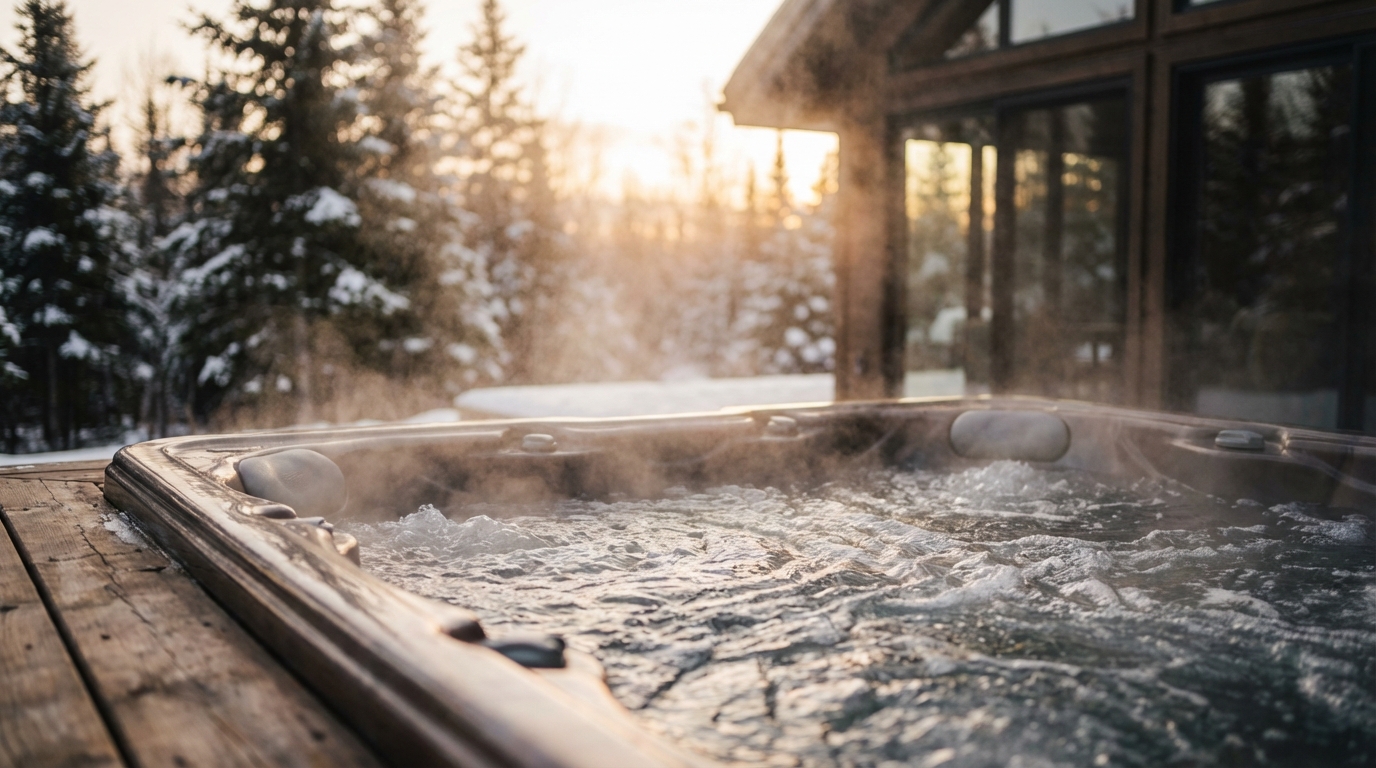
Winter can be a challenging time for many short-term rental owners. As the chill sets in and tourist numbers dwindle, you might find yourself staring at an alarming number of empty nights on your calendar. This often leads to searching for a cabin rental low occupancy fix. While listing optimization and savvy marketing can certainly help, some hosts look at amenities to lure guests during the off-season. One of the most popular, and often debated, investments for winter bookings is a hot tub. But is it genuinely a smart investment to fill empty nights vacation rental properties experience, or just another expense?
The Allure of the Hot Tub: Why Guests Love Them
There's no denying the appeal of a hot tub, especially when the temperatures drop. Imagine this: your guests arrive at your cozy cabin rental, snow gently falling outside, and they unwind in a warm, bubbling oasis. For many, this isn't just an amenity; it's an experience. Hot tubs often evoke feelings of luxury, relaxation, and a perfect escape, making them a significant draw, particularly for couples or small groups seeking a peaceful retreat.
This allure can translate directly into increased inquiries and bookings. A property with a hot tub often stands out in search results, especially on platforms where guests can filter by this specific amenity. This can be a powerful differentiator when you're competing against other properties that might otherwise be similar. For guests who value this experience, a hot tub can be the deciding factor when choosing between your property and another, helping you fill empty nights vacation rental owners dread.
The Costs Involved: Beyond the Purchase Price
While the benefits are clear, it's crucial to look at the complete financial picture. A hot tub isn't a one-time purchase; it's an ongoing commitment.
- Initial Purchase & Installation: Quality hot tubs can range from a few thousand dollars to well over ten thousand, depending on size, features, and brand. Installation costs can also add up, especially if you need to run new electrical lines or prepare a concrete pad.
- Energy Consumption: This is often the biggest ongoing expense. Heating and filtering a hot tub, especially in colder climates, requires a significant amount of electricity. This cost will fluctuate with local energy prices and how frequently the tub is used.
- Maintenance & Chemicals: To ensure guest safety and prolong the life of the hot tub, regular maintenance is non-negotiable. This involves testing water quality, adding chemicals (chlorine, bromine, pH adjusters, etc.), and regular cleaning of filters. You’ll either need to perform these tasks yourself (which takes time) or hire a professional service. For those using a second home rental management approach, this often falls to property managers or dedicated contractors.
- Repairs & Depreciation: Like any piece of equipment, hot tubs can break down. Pumps, heaters, jets, and covers all have a lifespan and may need repair or replacement. Factor in the cost of parts and labor, as well as the eventual need for a full replacement.
- Insurance: Depending on your current policy, you might need to update your short-term rental insurance to cover the hot tub, as it can be considered an attractive nuisance or increase liability risks.
The Management & Liability Aspect
Beyond the financial outlay, managing a hot tub introduces new operational considerations and potential liabilities.
- Cleaning & Turnovers: Each guest turnover requires thorough hot tub inspection, cleaning, and chemical balancing. This adds significant time to your cleaning routine, potentially increasing cleaning costs or requiring more effort from you. If not done correctly, it can lead to negative guest reviews or health concerns.
- Guest Education: You'll need clear instructions for guests on how to use the hot tub safely and properly. This includes rules about showering before use, not exceeding capacity, and abstaining from food or drink in the tub.
- Liability: This is a crucial point. Hot tubs present inherent risks, including slips and falls, drowning (especially for children if not supervised), and skin or respiratory issues from improperly maintained water. You must have adequate insurance coverage and clear disclaimers and rules to mitigate these risks. For a small operation, understanding this liability is paramount.
- Water Sourcing/Disposal: Depending on your property's location, you may need to consider water sources for refilling the tub and proper disposal methods for used water during periodic draining and cleaning.
The Return on Investment: Can a Hot Tub Pay for Itself?
So, back to the core question: is it a smart investment? The answer isn't a simple yes or no; it depends heavily on your specific property, target audience, and market.
- Increased Occupancy, Especially Off-Season: This is where the hot tub shines. During colder months or in shoulder seasons, a hot tub can dramatically increase your occupancy by offering that coveted "cozy getaway" experience. It's a prime cabin rental low occupancy fix. Guests are often willing to pay a premium for properties with this amenity, helping to fill empty nights vacation rental calendars show.
- Higher ADR (Average Daily Rate): Many hosts report being able to charge a higher nightly rate for properties with a hot tub. This premium can offset some of the ongoing costs and accelerate your ROI. Even if you're using a simple vacation rental software, you can track how this impacts your conversion rate.
- Positive Reviews & Repeat Bookings: Guests who love their hot tub experience are more likely to leave glowing reviews, which in turn attracts more bookings. They're also more likely to become repeat guests, often specifically seeking out properties with this amenity.
- Targeted Marketing Opportunities: A hot tub gives you a fantastic feature to highlight in your marketing. Think "Winter Wonderland Retreat with Private Hot Tub" – it's a powerful selling point for attracting direct bookings and can be featured prominently on your direct booking website cabin rentals.
- Seasonal Rental Management Tool: For properties in locations that experience significant seasonal shifts, a hot tub isn't just an amenity; it’s a strategic seasonal rental management tool. It helps smooth out the peaks and valleys in your booking calendar, making your income more consistent throughout the year.
Making the Decision: What to Consider
Before you dive in, ask yourself these questions:
- Your Target Market: Are you primarily attracting couples, families, or groups? Hot tubs tend to appeal more to those seeking relaxation and a bit of luxury.
- Your Property Type: Does a hot tub fit the aesthetic and vibe of your property? A rustic cabin rental might be a perfect fit, enhancing the overall experience.
- Your Climate: If your area has long, cold winters, a hot tub is a much stronger selling point than in a perpetually warm climate.
- Your Competition: Do comparable properties in your area have hot tubs? If not, it could be a significant differentiator. If they do, it might be a necessity to stay competitive.
- Your Budget & Time: Can you comfortably afford the upfront cost and ongoing expenses? Do you have the time (or budget to pay someone) to properly maintain it? Remember, shortcuts in maintenance lead to problems.
- Local Regulations: Check with your local authorities regarding any permits, zoning restrictions, or specific safety requirements for hot tub installation and operation in a short-term rental.
Maximizing Your Hot Tub Investment
If you do decide to invest, here are some tips to make the most of it:
- Professional Installation: Don't cut corners here. Proper installation ensures safety and longevity.
- Clear & Concise Instructions: Provide a laminated guide near the hot tub with simple, easy-to-understand rules and operating instructions. Emphasize safety.
- Excellent Maintenance: This cannot be stressed enough. Regular, thorough cleaning and chemical balancing are vital for guest satisfaction and health. Consider a simple vacation rental software or a vacation rental tool for 1-2 properties that also allows you to schedule and track cleaning and maintenance tasks for amenities like a hot tub.
- Highlight in Marketing: Feature high-quality photos and videos of the hot tub prominently in your listing, on your direct booking website cabin, and across your social media channels. Mention it in your descriptions and headlines.
- Consider Dynamic Pricing: During colder months or peak demand periods, use dynamic pricing strategies to reflect the added value of the hot tub. This can be an effective empty night recovery tool, especially for last-minute bookings.
- Offer Bundles: Pair the hot tub experience with other amenities, like a cozy fireplace or a local wine basket, to enhance the perceived value and encourage bookings. AI recommendations vacation rental gap analysis might even suggest bundling during specific low-occupancy periods.
A hot tub can be an excellent amenity to attract winter bookings and secure a cabin rental low occupancy fix. It can boost your average daily rates, increase occupancy, and lead to rave reviews. However, it's a significant investment requiring careful consideration of costs, labor, and potential liabilities. By weighing these factors honestly and committing to meticulous maintenance, a hot tub can transform your off-season woes into a bubbling success story, significantly helping you fill empty nights vacation rental owners face.