How to choose durable and quality bedding for your STR?
Learn how to choose durable and quality bedding for your short-term rental (STR) to enhance guest satisfaction, reviews, and your bottom line. This guide covers material types, thread counts, and comfort considerations for diverse guests.
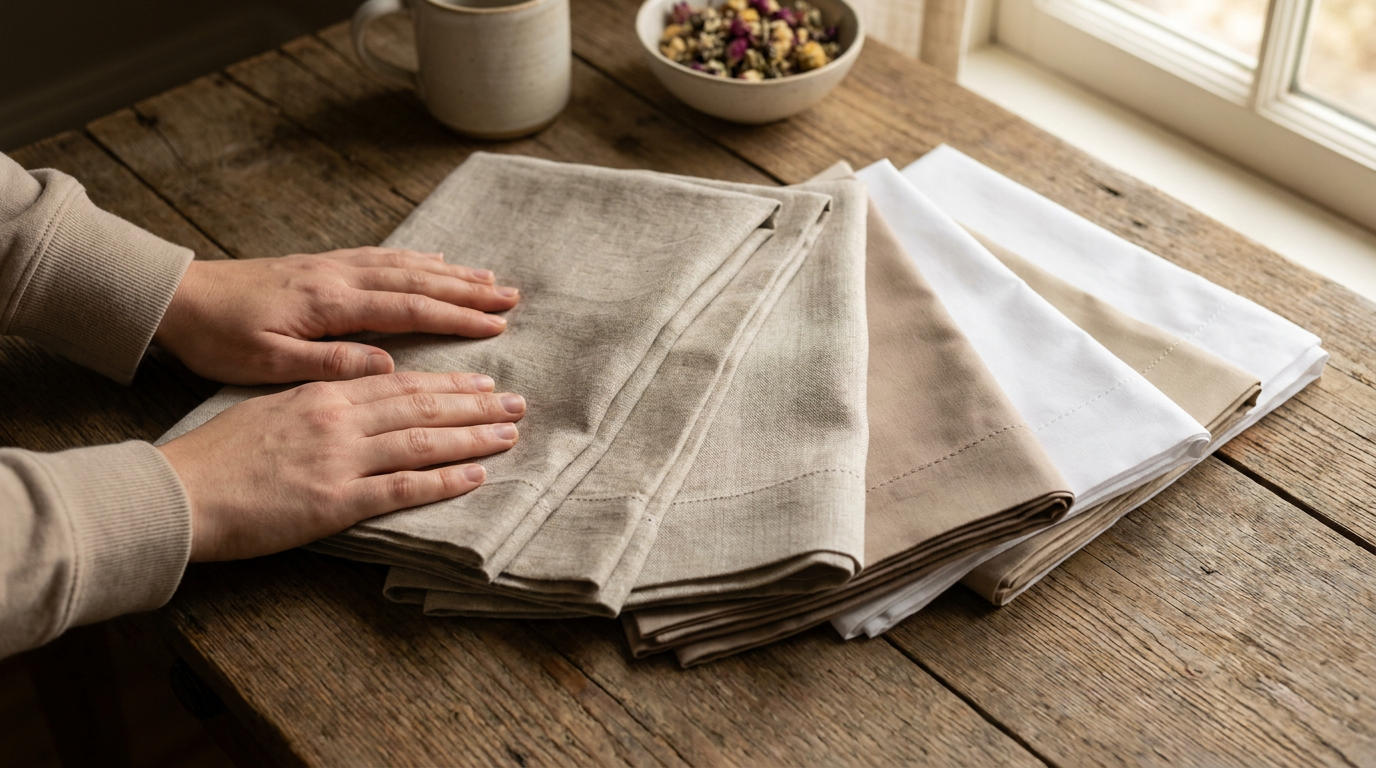
How to Choose Durable and Quality Bedding for Your Short-Term Rental (STR)?
The success of a short-term rental (STR) largely depends on providing an outstanding guest experience, and high-quality bedding is a cornerstone of this. It delivers comfort, ensures hygiene, and offers durability, directly impacting guest satisfaction, review scores, and ultimately, your profitability. Investing wisely in bedding can transform a good stay into a memorable one, fostering loyalty and positive word-of-mouth. This guide will help you understand the essential considerations for selecting, maintaining, and benefiting from superior bedding in your STR.
Why is Quality Bedding Crucial for STRs?
Quality bedding is crucial for STRs because it significantly impacts guest satisfaction, reviews, and the perceived value of your rental.
Bedding is more than just fabric; it's a foundational element of the guest experience. When guests enter your STR, the bedroom, especially the bed, often becomes a focal point.
- Direct Impact on Guest Satisfaction: Uncomfortable bedding, such as scratchy sheets, lumpy pillows, or a thin mattress pad, can quickly lead to negative feedback. Guests often attribute a poor night's sleep directly to the bedding, potentially overshadowing other positive aspects of their stay.
- Elevated Perceived Value: Luxurious and comfortable bedding elevates the perceived value of your rental. When guests experience sleep that rivals or surpasses their own bed at home, they are more likely to feel they received excellent value for their money.
- Meeting Guest Expectations: Travelers increasingly seek accommodations that offer restorative sleep, making high-quality bedding a non-negotiable amenity rather than a luxury. Platforms like Cabinly highlight such amenities, making them critical for attracting guests.
What Are the Key Considerations for Durable Bedding?
When choosing durable bedding for an STR, key considerations include selecting the right material types, understanding thread count in context, and checking for robust construction and weave.
Durability is as important as comfort in an STR, as bedding undergoes frequent washing and heavy use.
- Material Types for Longevity:
- Egyptian Cotton: Known for extra-long staple fibers, offering exceptional softness and durability that improves with each wash.
- Percale Cotton: A crisp, matte weave that is breathable and highly durable, ideal for warmer climates or guests who sleep hot.
- Sateen: Features a lustrous finish and silky feel for a luxurious experience, though it can be slightly less durable than percale.
- Linen: While initially more expensive, it offers incredible strength, breathability, and a distinct relaxed aesthetic that softens over time.
- Microfiber: Budget-friendly and soft, but may not offer the same longevity or breathability as natural fibers.
- Understanding Thread Count:
- Optimal Range: A good quality percale or sateen with a thread count between 200-400 typically offers the best balance of softness, strength, and breathability.
- Marketing Misconception: Excessively high numbers (e.g., 1000+) are often marketing ploys and do not necessarily equate to better durability or comfort.
- Construction and Weave:
- Reliable Indicators: The construction and weave of fabrics are more reliable indicators of tear resistance.
- Resilient Options: Tightly woven fabrics with a plain or twill weave tend to be more resilient than looser weaves.
- Reinforced Details: Look for reinforced stitching and well-executed finishes, such as double-stitched hems and sturdy seams, to prevent fraying and tearing, significantly extending bedding lifespan.
How to Select Comfortable Bedding for Diverse Guests?
To select comfortable bedding for diverse guests, provide a range of mattress toppers, various pillow types, and layering options for duvets and comforters.
Accommodating diverse guest preferences for sleep comfort is crucial for achieving stellar reviews on platforms like Cabinly.
- Mattress Toppers for Enhanced Comfort:
- Memory Foam: Conforms to the body, offering pressure relief and support, but can retain heat.
- Latex: Provides responsive support and is more breathable.
- Fiberfill: Offers a plush, cloud-like feel.
- Diverse Pillow Selection:
- Variety is Key: Offer firm pillows for back sleepers, softer options for stomach sleepers, and medium-firm for side sleepers.
- Material Options: Down pillows provide luxurious softness, while hypoallergenic alternatives (synthetic down, alternative fills) are essential for guests with allergies.
- Clear Labeling: Clearly label pillow types (e.g., "firm," "soft," "hypoallergenic") to help guests customize their sleep experience.
- Duvets and Comforters with Layering Options:
- Climate-Appropriate Warmth: Consider the local climate and adjust duvet warmth ratings accordingly.
- Material Choices: Down or feather-filled duvets offer excellent insulation but may trigger allergies. Down alternative synthetic fills are a great hypoallergenic and often more budget-friendly option.
- Versatile Layering: Providing a top sheet, a lightweight blanket (like cotton pique or waffle weave), and a duvet or comforter allows guests to adjust their warmth, ensuring comfort irrespective of season or individual preference.
What Are Essential Bedding Accessories for STRs?
Essential bedding accessories for STRs include waterproof mattress protectors, pillow protectors, noise-reducing mattress pads, and decorative elements like bed skirts and throw pillows, all contributing to hygiene and investment protection.
Beyond the basic sheets, pillows, and duvets, several accessories are crucial for protecting your investment and enhancing guest hygiene.
- Waterproof Mattress Protectors:
- Non-Negotiable: Safeguard expensive mattresses from spills, stains, allergens, and wear, significantly extending their lifespan.
- Key Features: Choose breathable, quiet options that do not detract from sleep comfort.
- Pillow Protectors:
- Hygiene and Longevity: Vital for hygiene, acting as a barrier against sweat, oils, dust mites, and allergens, keeping pillows fresh and clean.
- Best Type: Opt for zippered protectors that fully encase the pillow.
- Noise-Reducing Mattress Pads:
- Improved Sleep: Minimize creaks and rustles from the mattress, providing an extra layer of plushness.
- Enhanced Serenity: While not strictly essential, they contribute to a more serene sleep environment.
- Bed Skirts and Decorative Throw Pillows:
- Aesthetic Appeal: Bed skirts conceal unsightly box springs or under-bed storage, contributing to a polished look.
- Visual Interest: Decorative throw pillows add visual interest and a sense of luxury.
- Maintenance Note: For throw pillows, choose covers that are easily removable and machine washable, or select pillows with durable fabrics that can withstand frequent cleaning. Remember, every item on the bed must contribute to both comfort and cleanliness.
How to Maintain and Care for Your STR Bedding?
To maintain and care for your STR bedding effectively, establish clear washing and drying best practices, master stain removal techniques, implement rotation strategies, and proactively replace components when needed.
Proper maintenance is paramount to maximizing the lifespan of your STR bedding and ensuring a consistently fresh experience for guests.
- Washing and Drying Best Practices:
- Temperature Guidelines: Wash cotton sheets and duvet covers in hot water for sanitization, while delicate items like linen may require cooler temperatures. Always follow manufacturer labels.
- Detergent Use: Use high-quality, gentle detergents and avoid excessive bleach, which degrades fabric fibers.
- Drying: Avoid over-drying; use a medium heat setting and remove items promptly to prevent wrinkles.
- Stain Removal Techniques:
- Prompt Action: Address stains as quickly as possible.
- Common Treatments: Keep stain removers readily available (e.g., hydrogen peroxide for blood, dish soap for grease). White vinegar and baking soda are excellent for general brightening and odor removal.
- Rotation Strategies for Even Wear:
- Three-Set Rule: Have at least three sets of bedding per bed: one on the bed, one in the laundry, and one ready.
- Even Distribution: This practice ensures consistent rotation, preventing any single set from being used and washed excessively, thereby extending the life of all components.
- Knowing When to Replace Bedding Components:
- Sheets and Pillowcases: Typically need replacement every 1-2 years.
- Pillows: Replace every 6 months to 2 years, as they lose loft and hygienic properties.
- Duvets and Mattress Pads: With proper protection, these can last 3-5 years or more.
- Regular Inspection: Regularly inspect bedding for signs of excessive wear, thinning fabric, permanent stains, or loss of resilience, and replace items proactively to maintain high standards.
What Are the Cost-Benefit Analyses of Investing in Quality Bedding?
Investing in quality bedding for your STR offers significant long-term financial benefits, including reduced replacement costs, higher nightly rates and occupancy, superior guest reviews, and improved operational efficiency.
The initial investment in high-quality, durable bedding might seem substantial, but a thorough cost-benefit analysis reveals significant long-term savings and increased profitability.
- Reduced Replacement Costs:
- Long-Term Savings: While budget bedding is cheaper upfront, its shorter lifespan leads to more frequent replacements and higher long-term expenditure. Quality bedding, designed for frequent use and washing, reduces these costs over time.
- Increased Average Nightly Rates and Occupancy:
- Premium Pricing: Guests are often willing to pay a premium for a truly comfortable and luxurious sleeping experience, directly translating into higher earning potential for your property, possibly through platforms like Cabinly.
- Higher Conversion: This perceived value plays a crucial role in securing positive reviews, which act as powerful social proof, attracting more bookings and increasing your conversion rate.
- Superior Guest Reviews:
- Competitive Advantage: In a competitive market, positive feedback stemming from superior bedding can significantly differentiate your listing.
- Improved Operational Efficiency:
- Reduced Housekeeping Time: Easy-to-care-for, durable bedding means fewer stains, less delicate handling, and less frequent need for replacements, which translates to more efficient cleaning staff or less time spent on laundry.
- Smoother Turnover: This operational efficiency contributes to overall profitability and a smoother turnover process, allowing you to focus on other aspects of managing your successful short-term rental. The initial outlay for quality bedding is an investment in your STR's reputation, operational efficiency, and long-term financial success.
Frequently Asked Questions (FAQ)
What is the most durable bedding material for an STR?
The most durable bedding materials for an STR are generally Egyptian cotton, percale cotton, and linen. Egyptian cotton offers exceptional softness and durability due to its extra-long staple fibers, while percale cotton provides a crisp, breathable, and highly durable weave. Linen, though a higher initial investment, offers incredible strength and longevity.
What thread count is best for STR bedding?
For STR bedding, a thread count between 200-400 is generally considered best. This range provides an optimal balance of softness, strength, and breathability for percale or sateen weaves. Excessively high thread counts (e.g., 1000+) are often marketing tactics and do not necessarily indicate better durability or comfort.
How often should STR bedding be replaced?
The replacement frequency for STR bedding varies by item:
- Sheets and Pillowcases: Every 1-2 years, depending on usage and quality.
- Pillows: Every 6 months to 2 years, as they lose loft and hygienic properties.
- Duvets and Mattress Pads: Can last 3-5 years or more with proper protection and maintenance.
Regular inspection for wear, stains, and loss of resilience is crucial for timely replacement.
Why are mattress and pillow protectors essential for STRs?
Mattress and pillow protectors are essential for STRs because they protect your investment and ensure guest hygiene. Waterproof mattress protectors safeguard expensive mattresses from spills, stains, allergens, and wear, dramatically extending their lifespan. Pillow protectors create a barrier against sweat, oils, dust mites, and allergens, keeping pillows fresh, clean, and hygienic.
What is the ideal laundry routine for STR bedding?
The ideal laundry routine for STR bedding involves washing cotton items in hot water for sanitization, using high-quality, gentle detergents, avoiding excessive bleach, and drying on a medium heat setting. Always follow manufacturer labels for specific materials, address stains promptly, and implement a rotation strategy with at least three sets of bedding per bed to distribute wear evenly.
How does quality bedding impact STR reviews?
Quality bedding significantly impacts STR reviews by enhancing guest satisfaction. Comfortable and luxurious bedding can lead to a memorable sleep experience, which guests often highlight in their reviews. Positive feedback regarding sleep quality and bed comfort directly contributes to higher review scores, attracts more bookings, and improves the overall reputation of your rental.
Should I offer different types of pillows in my STR?
Yes, offering different types of pillows in your STR is highly recommended to cater to diverse guest preferences for sleep comfort. Providing a variety, such as firm pillows for back sleepers, softer options for stomach sleepers, and medium-firm for side sleepers, improves guest satisfaction. Including hypoallergenic options and clearly labeling pillow types further enhances the guest experience.