How do automated smart locks streamline check-ins and boost security?
Automated smart locks are revolutionizing the short-term rental market by streamlining guest check-ins and enhancing property security. This article explores how these innovative devices work, detailing their technologies like Wi-Fi and Bluetooth, and their ability to provide seamless, code-based entry. Discover how smart locks eliminate key hand-offs, offer temporary access codes, and simplify arrival instructions, making the check-in process smooth for both hosts and guests.
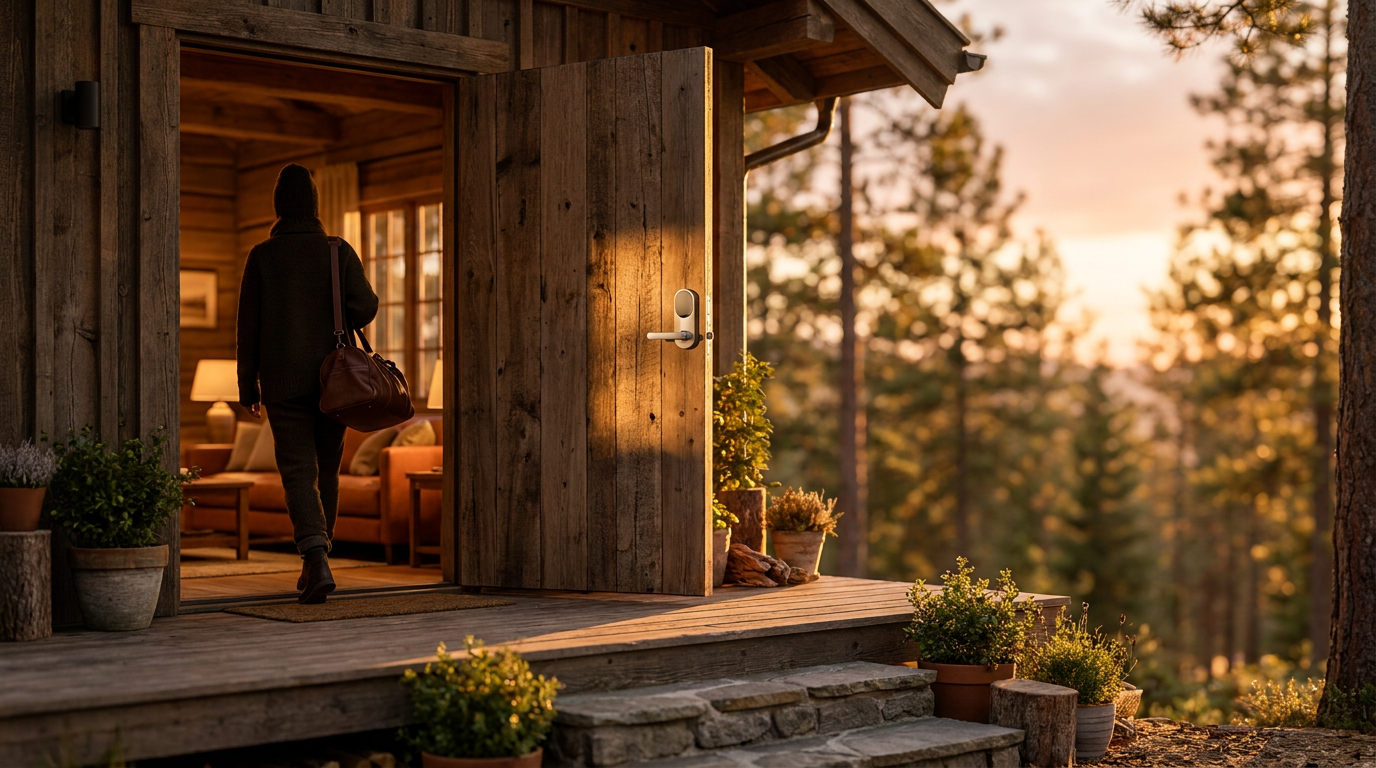
How Do Automated Smart Locks Streamline Check-ins and Boost Security?
Automated smart locks are revolutionizing the short-term rental market by offering seamless check-ins and significantly enhancing property security for both hosts and guests. These innovative devices leverage technology to provide convenient, keyless access and robust control over property entry, transforming traditional rental operations.
What Are Automated Smart Locks and How Do They Work?
Automated smart locks are electronic locking mechanisms that allow remote control and keyless operation for short-term rentals. Unlike conventional mechanical locks, smart locks integrate with digital systems to offer dynamic and secure access management. They facilitate easy, code-based entry for guests, removing the need for physical key exchanges or host presence during check-ins.
- Automated code generation and distribution: Upon booking confirmation, a property management system (PMS) or dedicated smart lock platform (like Cabinly) automatically generates a unique access code for the guest.
- Temporary access: This code is active only for the duration of the guest's stay, from check-in to check-out.
- Secure delivery: The system securely transmits the code to the guest via email, SMS, or a guest portal, ensuring timely and accurate information delivery.
Various technologies power these devices:
- Wi-Fi enabled locks: These connect directly to the property's internet, enabling real-time remote control and monitoring from anywhere. Hosts can lock/unlock doors, manage codes, and view activity logs remotely.
- Bluetooth locks: These require proximity for operation, typically via a smartphone app. While secure, their remote management is more limited than Wi-Fi locks.
- Zigbee locks: Often forming a mesh network, Zigbee extends the reach and reliability of smart home devices, including locks, particularly beneficial for larger properties.
The choice of technology depends on specific needs, connectivity, battery life, and integration requirements.
How Do Smart Locks Streamline the Guest Check-in Process?
Smart locks fundamentally transform the guest check-in process, making it smooth, efficient, and convenient for everyone involved.
- Elimination of physical key hand-offs: Smart locks remove the logistical challenges of coordinating schedules for key exchanges, which can be difficult with fluctuating arrival times or travel delays. Guests experience a more independent and stress-free arrival.
- Unique and temporary access codes: Each guest receives a distinct code active only for their booking period and automatically deactivated upon departure. This contrasts with physical keys, which pose security risks through duplication or forgetting.
- Reduced check-in instruction complexities: Guests receive a clear, simple code instead of needing detailed directions for hidden keys or lockboxes. This streamlines arrival instructions, minimizing confusion and reducing urgent calls to hosts.
- Facilitation of late and self-check-ins: Smart locks enable guests to arrive at any time, providing significant flexibility. This caters to diverse travel schedules and enhances the overall guest experience, with self-check-in becoming a highly desired feature.
What Are the Security Benefits of Using Automated Smart Locks?
Automated smart locks significantly enhance property security, offering superior advantages compared to traditional locks.
- Enhanced property protection with unique, expiring codes: Each guest's distinct code is active only for their booking, preventing unauthorized re-entry after departure. This granular control over access reduces the risk of squatting or illicit use.
- Prevention of unauthorized access after guest departure: The automatic deactivation of codes ensures that once a guest leaves, their access is immediately revoked, eliminating concerns about copied or unreturned physical keys.
- Availability of activity logs and monitoring capabilities: Most automated smart locks record entry and exit times, along with the code used, creating a detailed audit trail. These logs are invaluable for dispute resolution, unauthorized entry investigations, or emergencies. Some advanced systems can send real-time notifications to hosts.
- Reduced risk of lost or copied physical keys: By eliminating physical keys entirely, smart locks prevent costly rekeying expenses and the stress associated with lost keys for both guests and hosts, bolstering overall security.
How Do Automated Smart Locks Impact Operational Efficiency and Guest Experience?
Automated smart locks significantly boost operational efficiency for hosts and elevate the guest experience.
- Time savings for hosts: Hosts save considerable time previously spent on key exchanges, driving to properties, or handling lost key incidents. This efficiency allows them to manage more properties (perhaps through platforms like Cabinly) and focus on other critical aspects like maintenance and marketing, contributing to scalability and profitability.
- Increased convenience and independence for guests: Guests enjoy the freedom to arrive and depart at their leisure without host coordination, creating a more private and personalized travel experience. Easy entry without fumbling for keys leads to a seamless, stress-free start to their stay.
- Reduction in access-related inquiries: Fewer issues with property access mean fewer urgent calls or messages for hosts, freeing up their time for proactive hospitality rather than reactive problem-solving.
- Integration with property management systems (PMS): When integrated, smart locks automate guest code generation, activation, and deactivation. This streamlines operations, reduces manual errors, and provides a centralized platform for managing all aspects of the rental, from bookings to access control.
What Are Key Considerations When Choosing Automated Smart Locks?
Selecting the right automated smart lock system requires careful evaluation to ensure it meets the specific needs of a short-term rental property.
- Compatibility with existing doors and infrastructure: It's crucial to verify if the smart lock fits the door type, bore hole size, backset, and thickness. Incompatible locks can lead to operational issues or compromise security.
- Reliability and battery life: Choose locks known for robust performance and investigate battery life. Low-battery warnings are important, and some models offer physical key overrides or jump-start options as backups for emergencies.
- Integration with other smart home devices: Consider locks that integrate with other smart home devices (e.g., thermostats, security cameras) to optimize energy use and enhance overall surveillance and comfort.
- Budget and installation requirements: Smart lock prices vary. Balance your budget with desired features and security level. Installation can range from DIY to professional, so factor in potential costs and the need for expert help, especially for complex systems. A good balance of features, reliability, and cost-effectiveness, with straightforward installation, is key.
Frequently Asked Questions (FAQ)
What is an automated smart lock?
An automated smart lock is an electronic locking mechanism for short-term rentals that can be controlled remotely and operates without a traditional physical key. It integrates with digital systems to provide code-based guest entry and enhanced access management.
How do smart locks improve guest check-in?
Smart locks streamline check-in by eliminating physical key hand-offs, providing unique and temporary access codes for each guest, simplifying arrival instructions, and enabling convenient late and self-check-ins at any hour.
What are the main security benefits of smart locks?
The key security benefits include unique, expiring access codes that prevent unauthorized re-entry, automatic deactivation of codes after guest departure, detailed activity logs for monitoring, and the elimination of risks associated with lost or copied physical keys.
Can smart locks integrate with property management systems?
Yes, many automated smart locks offer integration with Property Management Systems (PMS). This allows for the automated generation, activation, and deactivation of guest access codes directly linked to booking confirmations, streamlining operations for hosts.
What should a host consider when choosing a smart lock?
Hosts should consider compatibility with their existing doors, the reliability and battery life of the device, potential integration with other smart home devices, and their budget and installation requirements. It's important to balance features with ease of use and cost.
Do automated smart locks require Wi-Fi?
Not all automated smart locks require Wi-Fi. Some models operate via Bluetooth, requiring proximity for control, while others use technologies like Zigbee. However, Wi-Fi enabled locks offer real-time remote control and monitoring capabilities from anywhere.
How do smart locks prevent unauthorized access after a guest leaves?
Smart locks prevent unauthorized access by assigning each guest a unique code that is active only for their specific booking period. Once the guest checks out, their code is automatically deactivated, rendering it useless for re-entry.